Showing posts with label photography. Show all posts

COCKTAILS WITH CURATORS

Cincinnati Museum Center is taking off their white artifact-handling gloves and picking up the silver tumbler in their after-hours series: Cocktails With Curators. Throughout the year, the museum will showcase their knowledgeable curators and allow guests to speak one-on-one with them about their favorite exhibits. Typically, curators aren't accessible for the general public, as they're busy working behind the scenes planning the next great exhibit to be featured at the museum. Cocktails With Curators brings the experts, and all their fascinating stories together with guests in a relaxed happy hour setting.


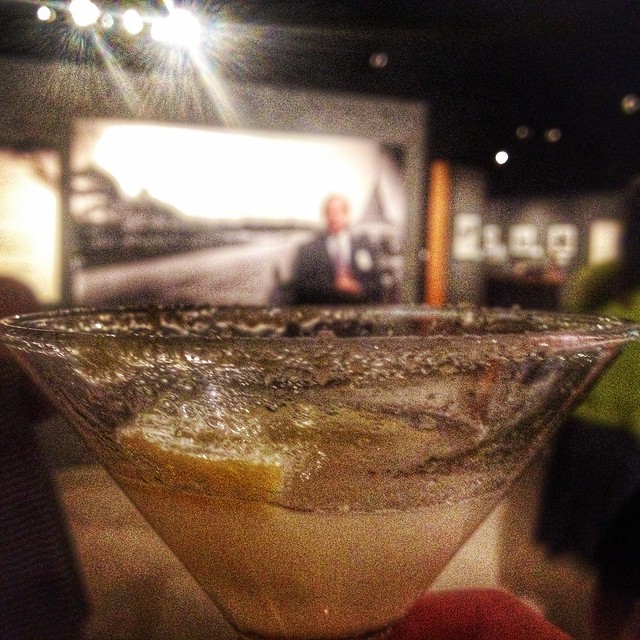
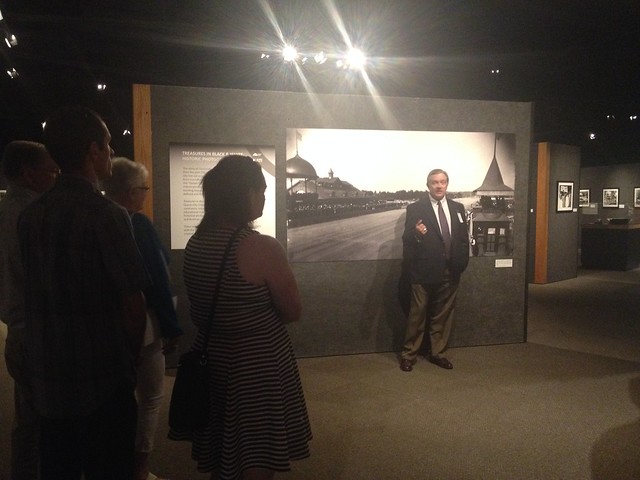
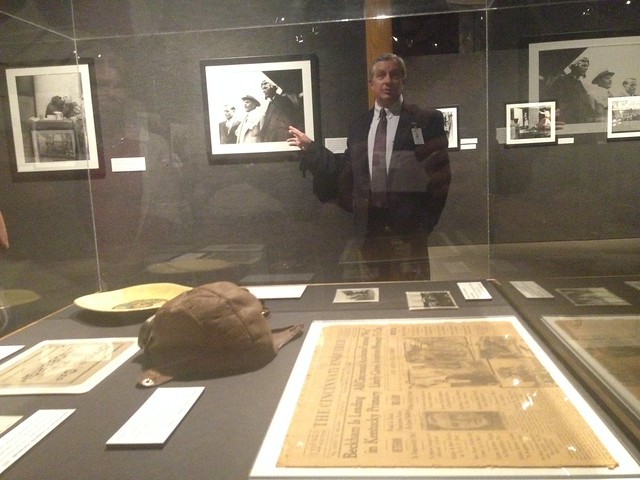
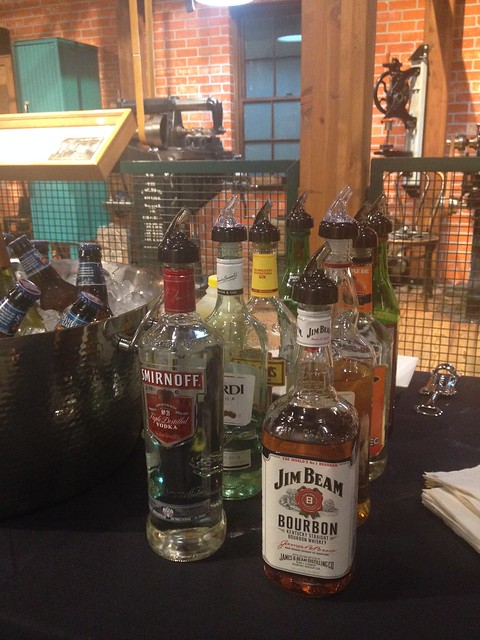
We attended a session with Scott Gampfer, Director of the Cincinnati History Library, held inside the Cincinnati History Museum. Guests were welcomed with light hors d'oeuvres, a selections of wine, beer and cocktails including the specialty drink of the evening, a lemon drop martini.


Later, Gampfer gave our group a personal tour of the Museum Center's newest exhibit: Treasures in Black & White, a gallery of historic photographs of Cincinnati spanning over the last 100 years. Handpicked from over 800,000 images in the collection, Treasures features 65 rare depictions of the Queen City. From Babe Ruth's visit during the 1947 All Star Game to architecture, Ruth Lyons, 1884 Courthouse Riots, World War I, streetcars, and chilling images from the 1937 flood, the selection tells the heartfelt story of Cincinnati's good times and bad.


When asked about his favorite picture, it was difficult for our curator to choose just one. Like most images, a select few resonate personally. For Gampfer, it was the telephone ladies that brought back memories of his grandmother: a line of women employed to connect calls on the switchboard for Cincinnati Bell.


Whether you can recall the stories first hand or have heard the legends passed down through generations, Treasures in Black & White is guaranteed hit home visually. Be sure to check out the exhibit as well as future Cocktails With Curators events, featuring paleontologist Brenda Hunda and the exhibit Cincinnati Under The Sea, or explore more Cincinnati history with collections curator David Conzett.


INSIDE OUT CINCINNATI

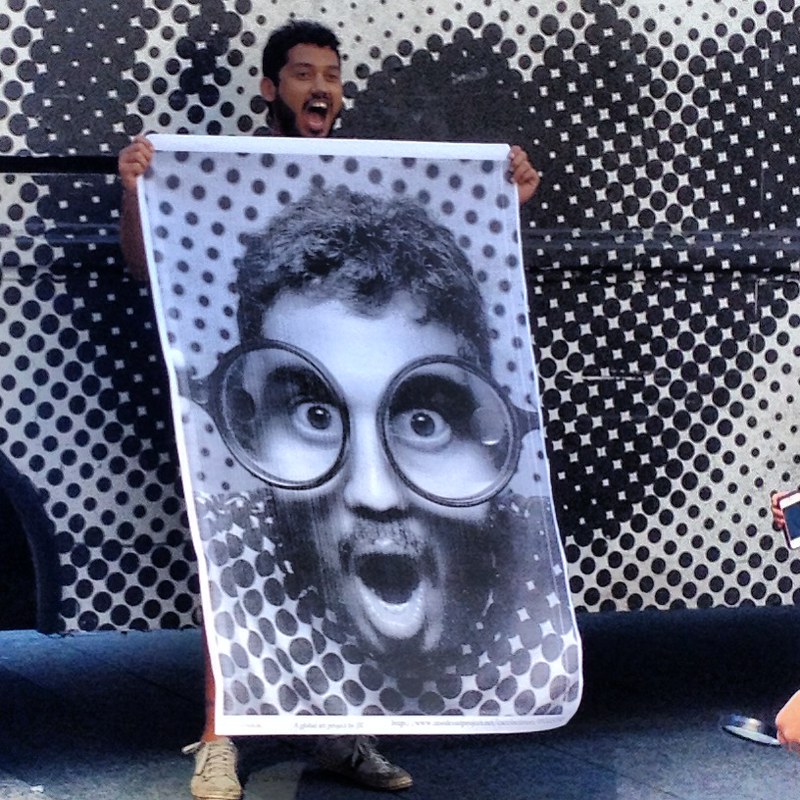
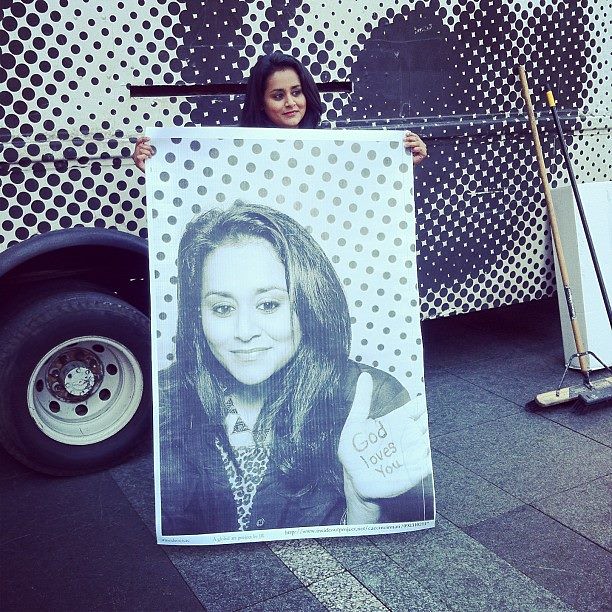
Over 1,100 people stepped in front of the lens to be part of Inside Out, the latest exhibit to open at Contemporary Arts Center.


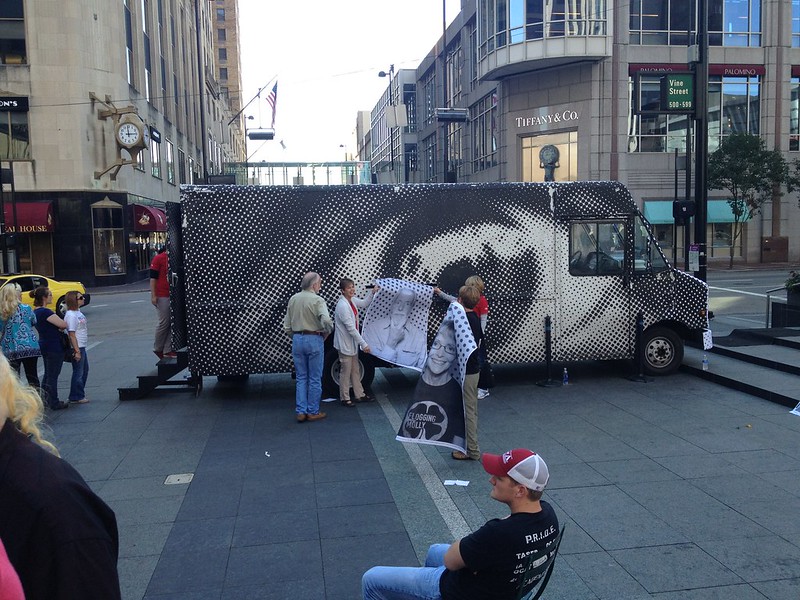
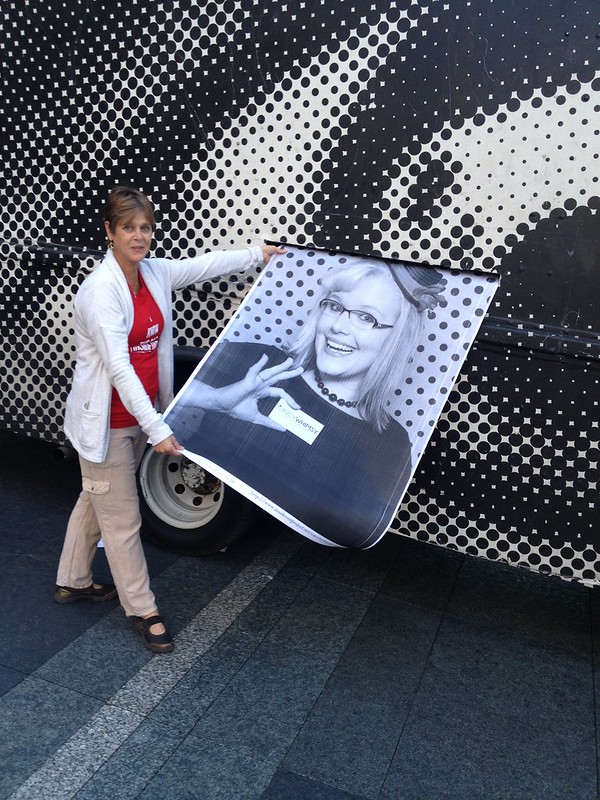
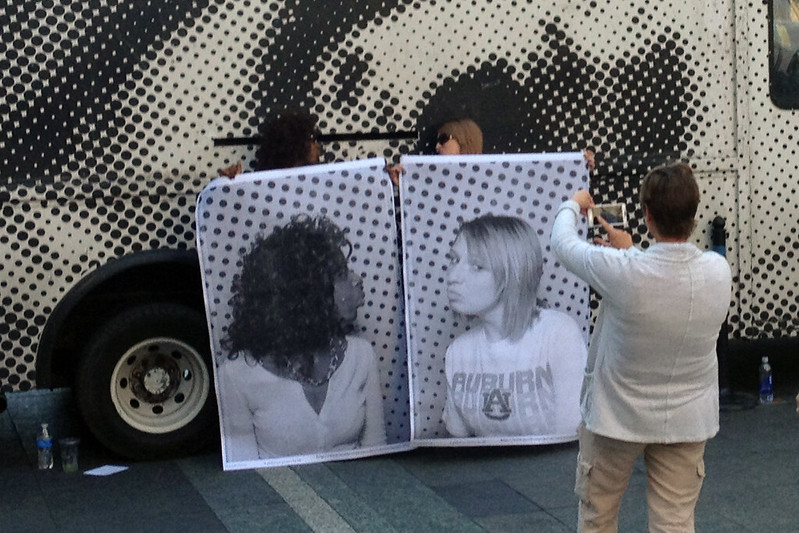
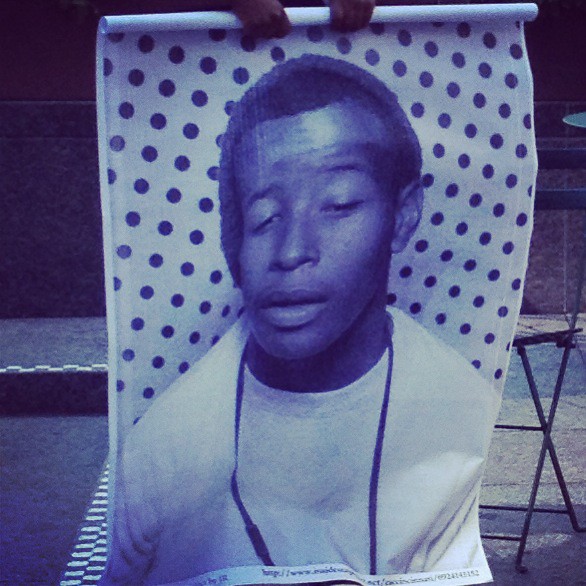
Showcased are the works of French artist JR, who creates art for a variety of public spaces. His themes focus on people standing up for what they care about by postering black & white portraits of the community upon city surfaces. Cincinnatians were encouraged to become part of this international art project by visiting the Inside Out photography van, which operates like a mobile photobooth. Hundreds lined up each day to take part in the free project, with faces both young and old, and varying economic and lifestyle backgrounds.


Some pictures needed a redo.


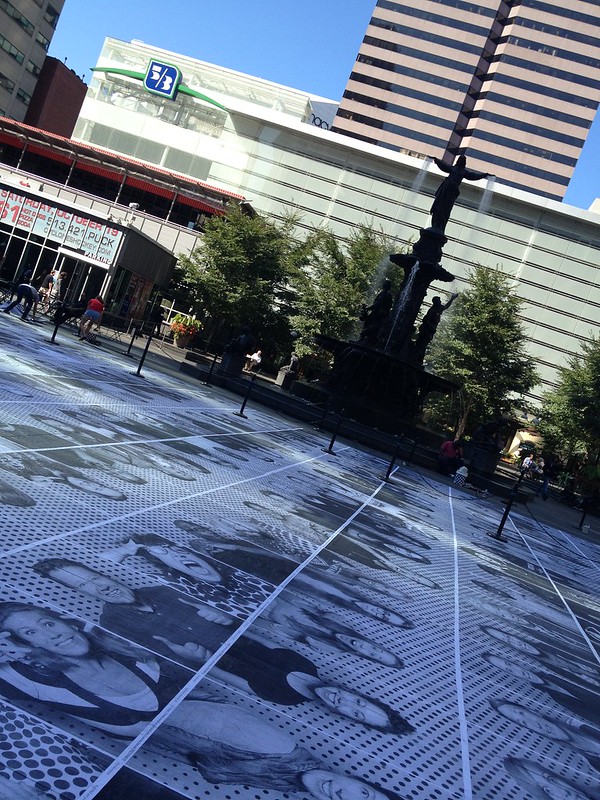
Inspired by JR’s street pastings, Inside Out provides a global platform for people to transform their personal passion into public art. Participants in Cincinnati had their portraits displayed at the Contemporary Arts Center and at Fountain Square. In addition to being pasted on the street, images are also added to the online album, consisting of over 120,000 people from more than 108 countries.


Inside Out runs through February at the Contemporary Arts Center. The public display on Fountain Square will be up through the end of October. 


A STRANGE BRAND OF HAPPY

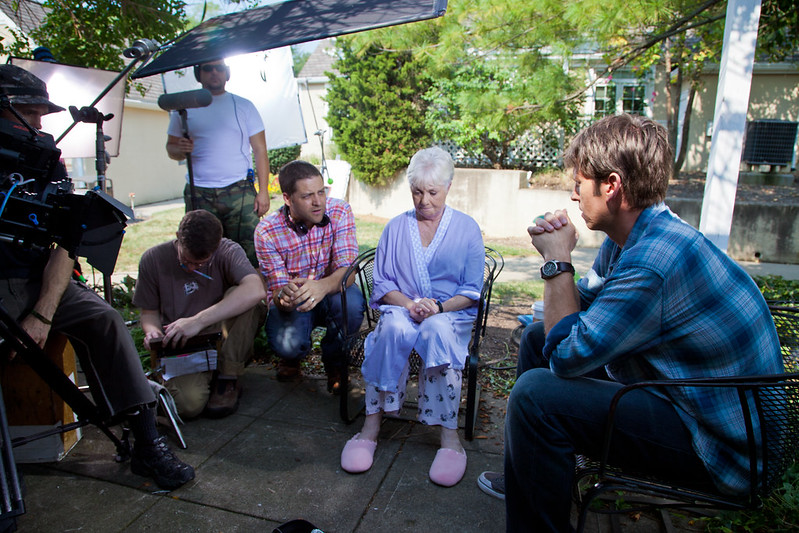
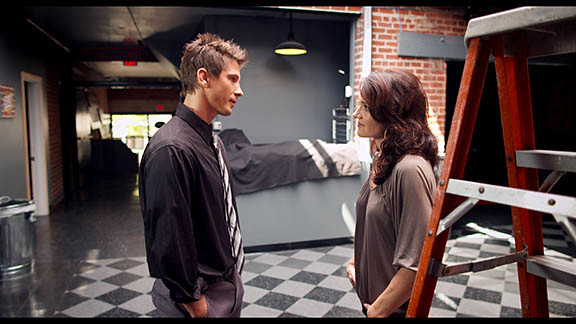
From George Clooney to regional production companies, Cincinnati has become a hotbed for filmmakers. Within its seven rolling hills, the city offers every kind of landscape desired from urban density to small town neighborhoods or vast country fields. Media group Rebel Pilgrim took advantage of the Queen City's diverse aesthetics and shot their latest feature-length film, A Strange Brand of Happy, entirely in Cincinnati.

Photo Credit: Rebel Pilgrim

Photo Credit: Rebel Pilgrim


While some films would pick out recognizable landmarks, like Fountain Square or Music Hall, Rebel Pilgrim wanted to showcase Cincinnati's ability to mimic Hollywood sets. Eleven locations were used in the production, none of which lead viewers to notice any distinctions of Cincinnati - in a good way. Having the potential to recreate Anytown, USA is a draw for filmmakers looking to shoot a film without the inconvenience of jumping around to multiple cities.


Photo Credit: Rebel Pilgrim


A Strange Brand of Happy is a romantic comedy starring David, an aimless bachelor who loses his job and finds himself chasing the same girl as his manipulative ex-boss. With the help of a motley group of retirees, he finds new direction.


How many places can you spot in the film?

Hyde Park Square
Urban Active - Bellevue
Dewey's Pizza -West Chester
Dewey's Pizza - Oakley

Queens Tower
Center City Collision
Sneaky Pete's Farifield
PowerNet Global
86 Club
Evergreen Senior Living
Speckled Bird
Northwest Woods


A Strange Brand of Happy opens in theatres nationwide September 13. See it in Cincinnati at:

AMC West Chester 18
Springdale 18 Cinema De Lux  

SUMMERAIL AT UNION TERMINAL

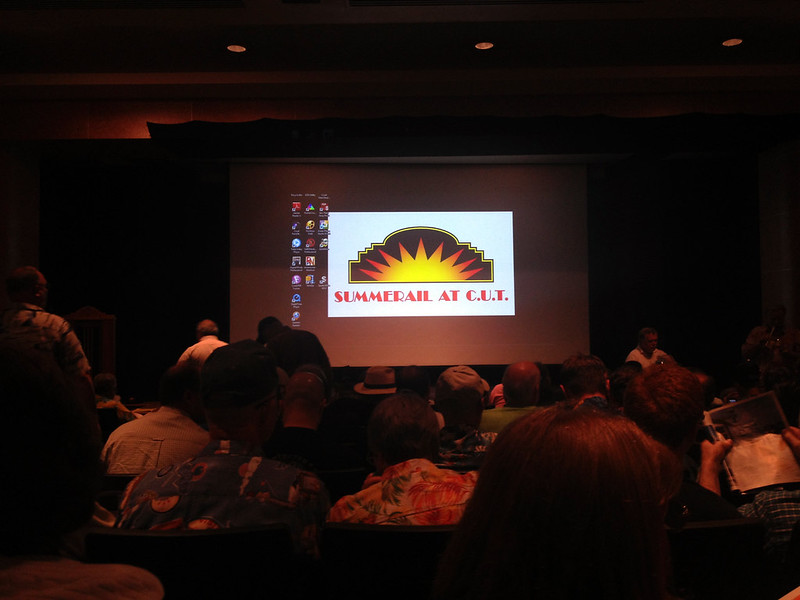
For the past 18 years during the second weekend of August, Cincinnati Railroad Club hosts Summerail at Union Terminal. Railroad fanatics from around the country travel to Cincinnati to learn stories about trains from across the United States and the world, both modern and historic. The night before the kickoff, guests have the opportunity to attend traditional talking slideshows (1970s classroom-style) and do some trainspotting as they watch the rails from Tower A. With only 300 seats available for the grand event, tickets for Summerail are highly sought after and sell out months in advance.


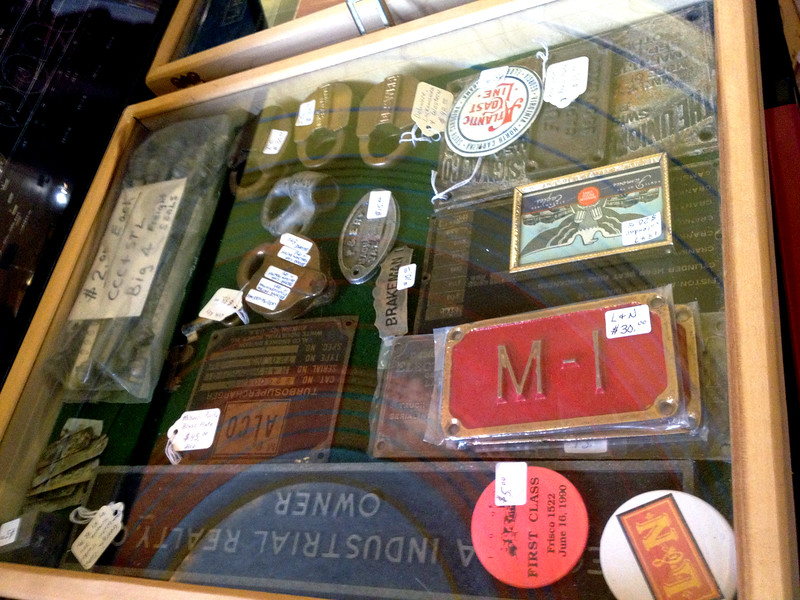
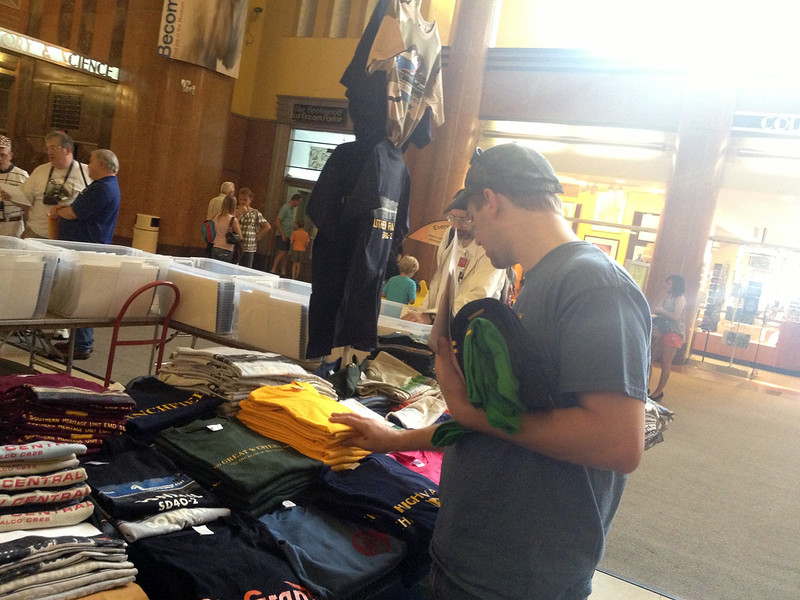
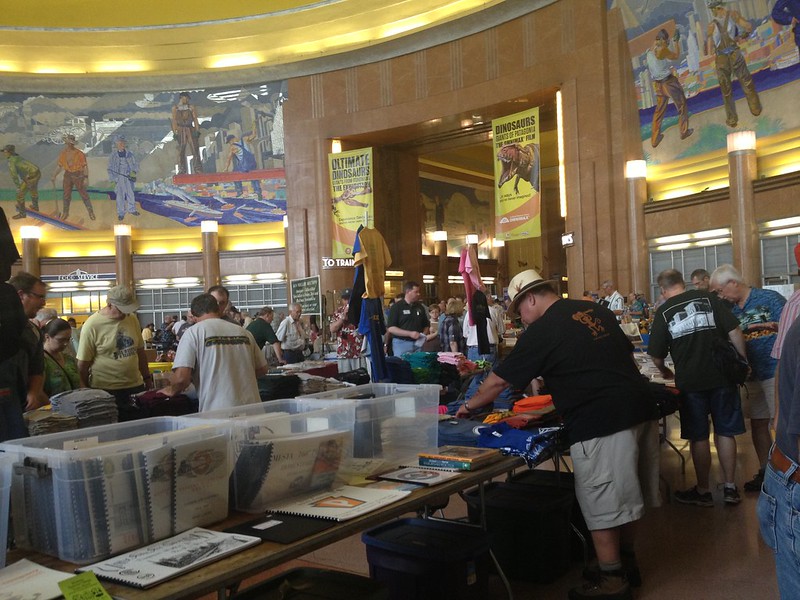
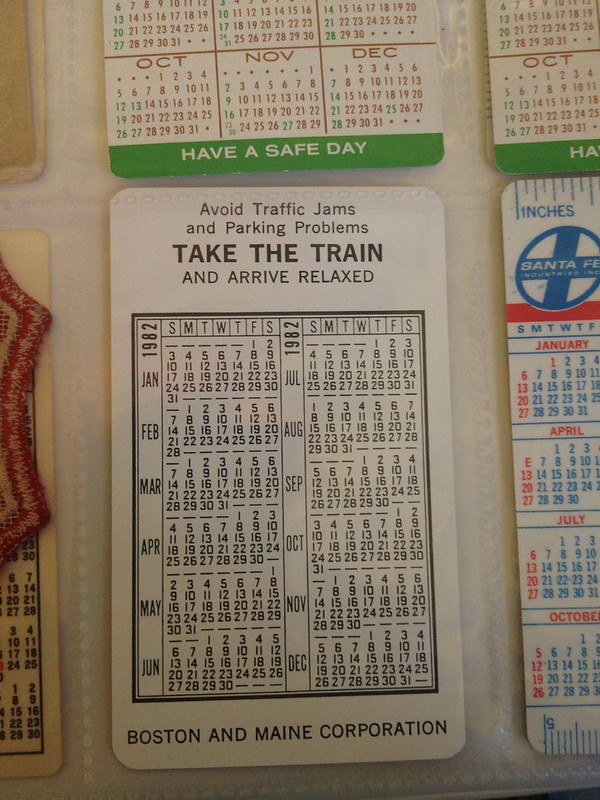
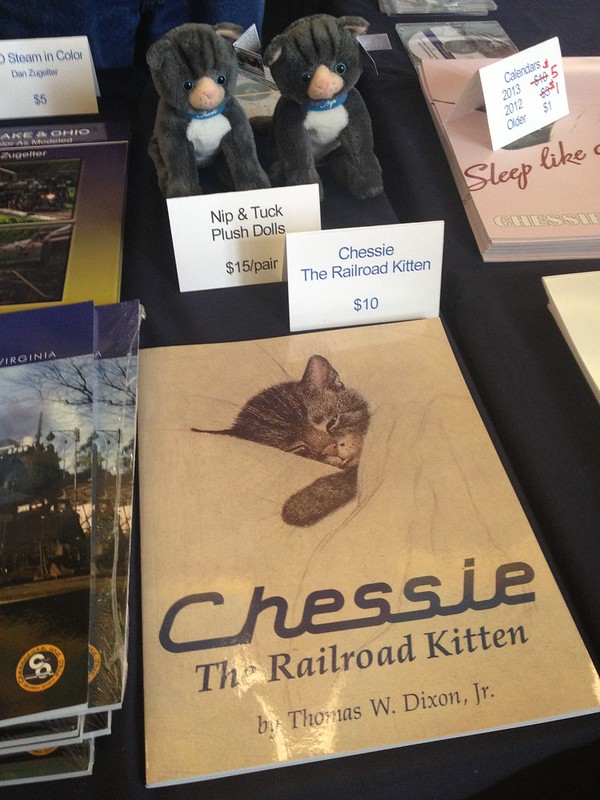
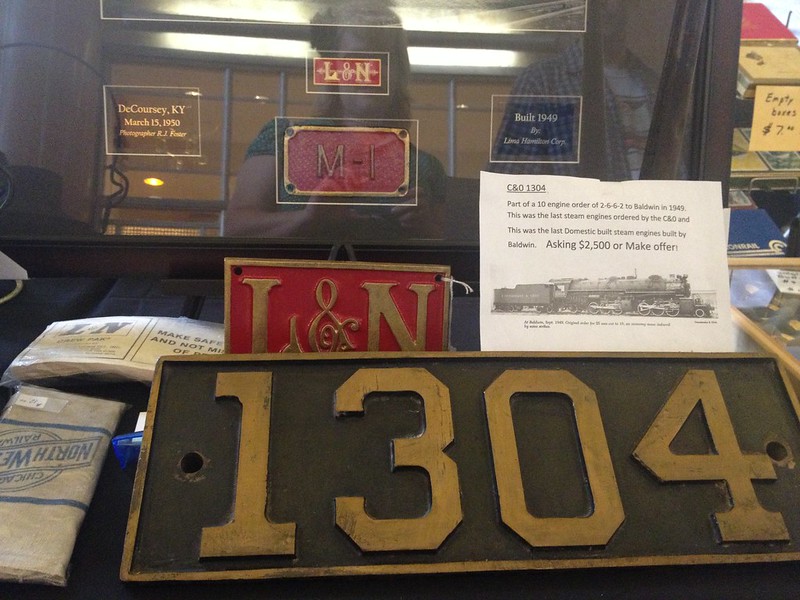
Saturday is the official celebration of Summerail, which includes multimedia storytelling over the course of eight hours. Union Terminal's rotunda transforms into a pop-up store, the Railroad Show & Sale. Dozens of vendors and historical societies from around the region bring out their wares for collectors to purchase. There's a little bit of everything for sale at every price range: tee shirts, DVDs, books, magazines, model trains, postcards, antiques, and more. I snatched up this book about Chessie the Railroad Kitten, a mascot of the brilliant advertising campaign for the Chesapeake and Ohio Railway. 
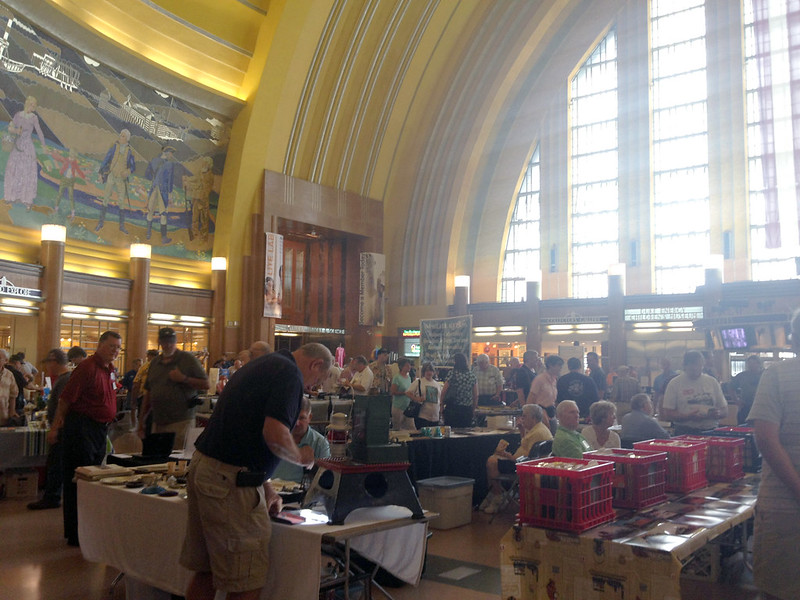


Railroad Show & Sale in the rotunda


See the reflection of the rotunda in the glass?


Loading up on a new wardrobe.


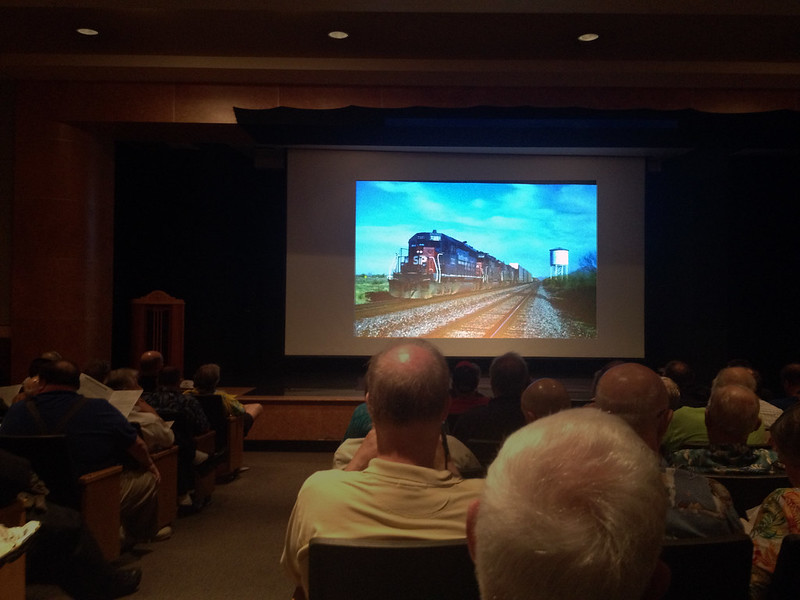
A selection of ten 30-minute presentations are shown throughout Summerail with breaks between every two sets. Each program takes viewers on a different journey to another era or another country. This year's features included rail narratives from Glacier National Park, Appalachia, Hokkaido, Japan, a cross-country trip in the 1970s, a cross-country trip in the early 1950s photographed in color, and more.


My favorite of the lot was Lessons From Hokkaido, which told the story of Japan's backcountry, as observed by Americans who moved there to teach English as a second language. The eye-opening tale of the Hokkaido Rust Belt showed how the area was dependent on coal and manufacturing jobs. It also discussed the importance of small neighborhood trains in transporting the working class. Opportunities dwindled when rail lines were cut back, isolating the blue-collared folks from commuting to other parts of the region. This little-known story is far from what the average American imagines what life is like in Japan; a lifestyle that is very similar to that of Appalachians.


I was equally impressed with a presentation entitled "Why My Friends Just Call Me The Godfather." John Dziobko, Jr. began his collection of railroad photography in 1948. In 1950, he began shooting on Kodachrome, which allowed him to take some of the first color photographs. Now 80 years old, John has begun digitizing his life's work and sharing it online: over 500,000 color slides.

As a techie, I had some doubts about the quality of the old images I would see. Not with the Godfather. The pictures are cinematic quality, perfectly preserved and not pixelated. Each image was of a breathtaking view of both scenery and trains. Most impressive was being able to see people and architecture of the early 1950s in color. Ever seen a color photograph of President Truman? The Godfather has one. Publicized materials of the day were typically black and white; Summerail was my first time seeing a vibrant photo collection from the era.


Regardless if you're a hardcore rail fan, hobbyist, or simply someone who likes to watch travel documentaries, Summerail provides unique entertainment that will transport you around the globe in a matter of hours and leaves you thirsting for your own next adventure.

FINAL FRIDAY IN OTR

Beginning in the early 1990s, art galleries in the Pendleton Arts Center have been hosting open houses on the last Friday of each month. Known as the "Final Friday Art Walk," the revitalization of retail, restaurants, and variety shows in Over The Rhine have shortened it to an all-encompassing "Final Friday."


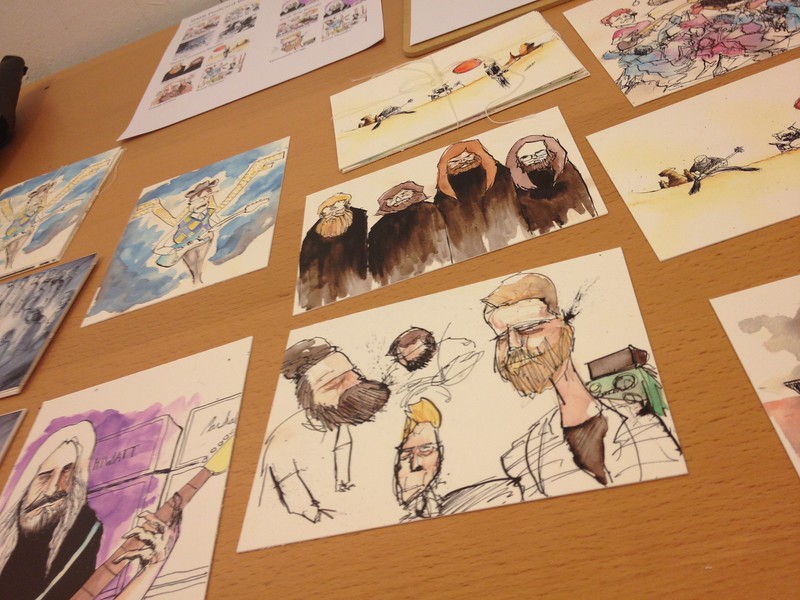
Drunk Music Reviews sketches each of the bands they feature in on their blog.


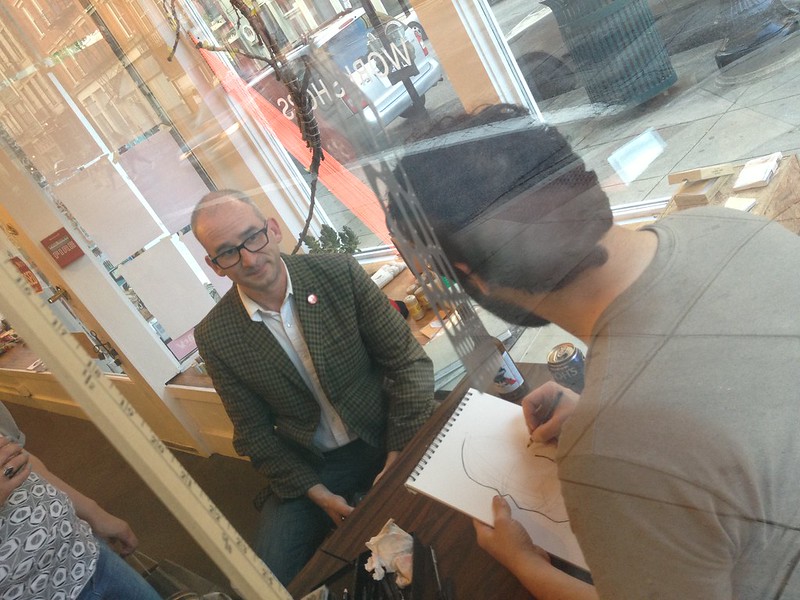
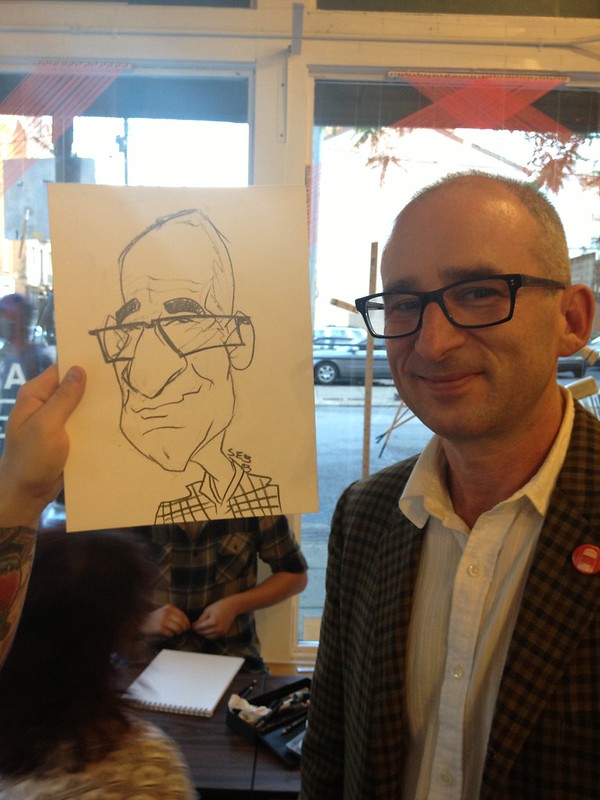
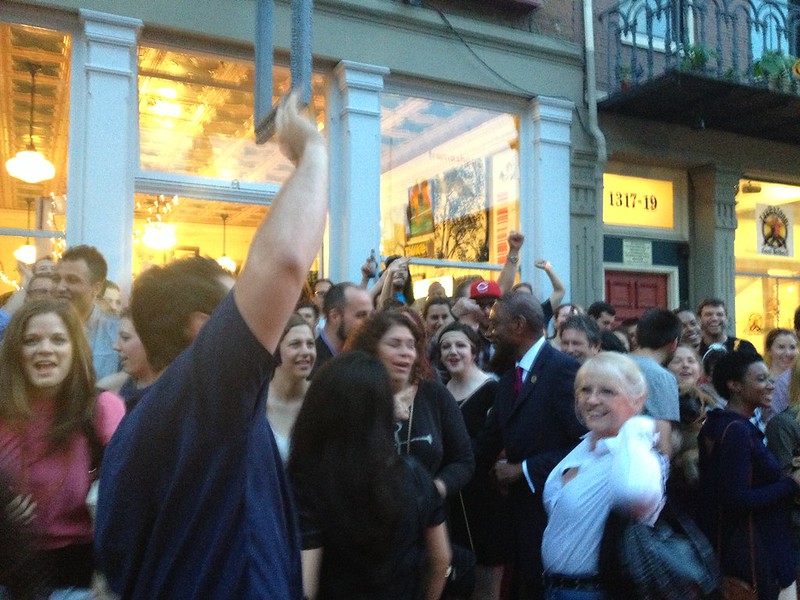
The flurry of activity takes place primarily along Main Street and Vine Street, creating a walkable urban experience from 6:00pm - 11:00pm. This month's highlights featured a visit to Smartfish Studio & Sustainable Supply, caricatures by John Sebastian, and taking a large group picture at Frameshop OTR with a 100-year-old camera.

Sebasitan sketching 5chw4r7z
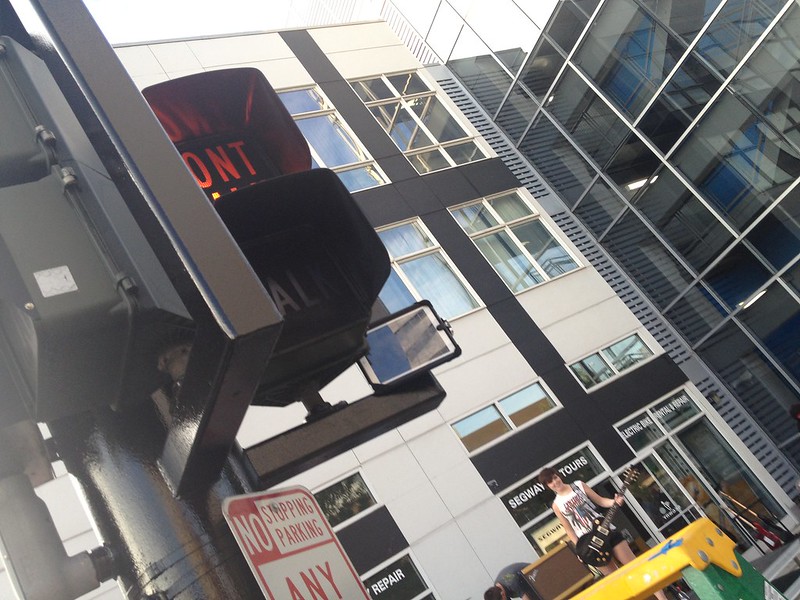
Who says Cincinnati isn't high-tech? Even the traffic signals have iPads.

Maureen and Erin Marie pet a parade of puppies.
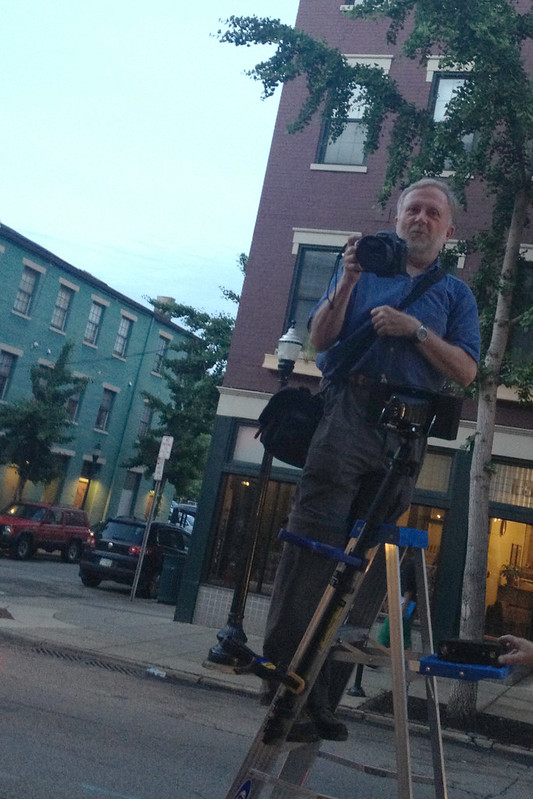
Tim lines us up for the photograph with the 100-year-old camera (mounted)

Post-picture hoorah. Mayor Mallory even showed up!
Stay tuned for an upcoming post on how the photo turned out.


PHOTOGRAPHIC WONDERS AT TAFT MUSEUM

Photographic Wonders, the Taft Museum of Art's latest exhibit, features daguerreotypes depicting candid images of life during the 1840s - 1860s.


A daguerreotype of men sharing daguerreotypes, 1850.
Courtesy of Taft Museum of Art


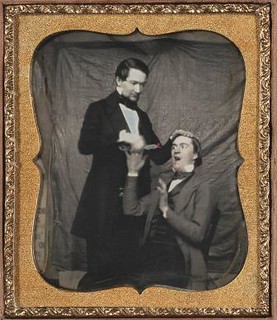
Comic Dentist, about 1850
Courtesy of Taft Museum of Art

The earliest form of a photograph, a daguerreotype is a singular, unique image that is crafted onto a silvered copper plate. Each picture is a one-of-a-kind, with no negatives from which duplicates can be made. The earliest daguerreotypes required exposures of up to thirty minutes, but within a few years could be made in 10 - 20 seconds.

To create an image, the daguerreotypist coated a metal plate with silver and applied iodine vapors to make it sensitive to light.  After placing the plate inside the camera, he removed the lens cap to expose the plate, capturing an image of the subject. Afterwards, mercury vapors were applied to develop the image, then mounted behind glass in an airtight case to protect the delicate surface.


The Fisherman
William C. North (American, 1814–1890)
Courtesy of Taft Museum of Art
 
Clown, about 1850–55
Courtesy of Taft Museum of Art

The collection features more than just portraits: landscapes, pets, leisure activities, entertainers, trade workers, slavery, and post-mortem memorials were all part of the imagery of the Victorian Era. While some daguerreotypes came in 6-inch or 9-inch sets, most are quarter-plate sized, which could easily slip into a pocket.

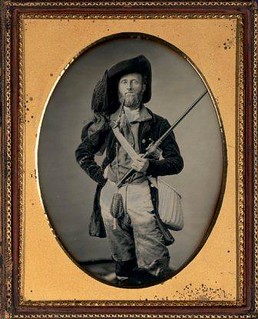
Occupational portraits, such as the ones above, were based on an understanding that the self was more than just appearance. What one did was central to who one was, a representation of economic security and social respectability. These pictures suggest that identity was less a matter of looks and more about knowledge and ability.


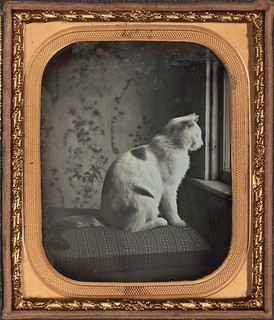
The earliest Instagram of a cat.
Courtesy of Taft Museum of Art
Man with Elephant
Thomas Easterly (American, 1809–1882)Courtesy of Taft Museum of Art
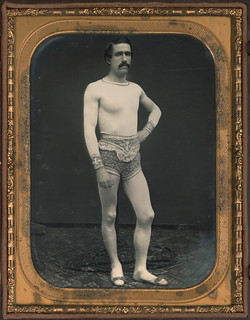
One of my favorite portraits, this performer's shorts have small, diamond detailing
etched to show the sequins on his outfit.

Tightrope Walker
, 1855

Courtesy of Taft Museum of Art

The most spectacular daguerreotypes tell stories of camaraderie, games and amusements, pets and companionship. Both spontaneous and personal, the images on display give viewers a mirrored glimpse into life in the 19th Century.

Explore nine elaborate sections of this "wonderful wonder of wonders," as one man in 1839 called it, through August 25, 2013. Be sure to pick up a booklet when entering the exhibit which tells the stories about each individual shown in the daguerreotypes.